
About Wensley Quarry
About Wensley Quarry
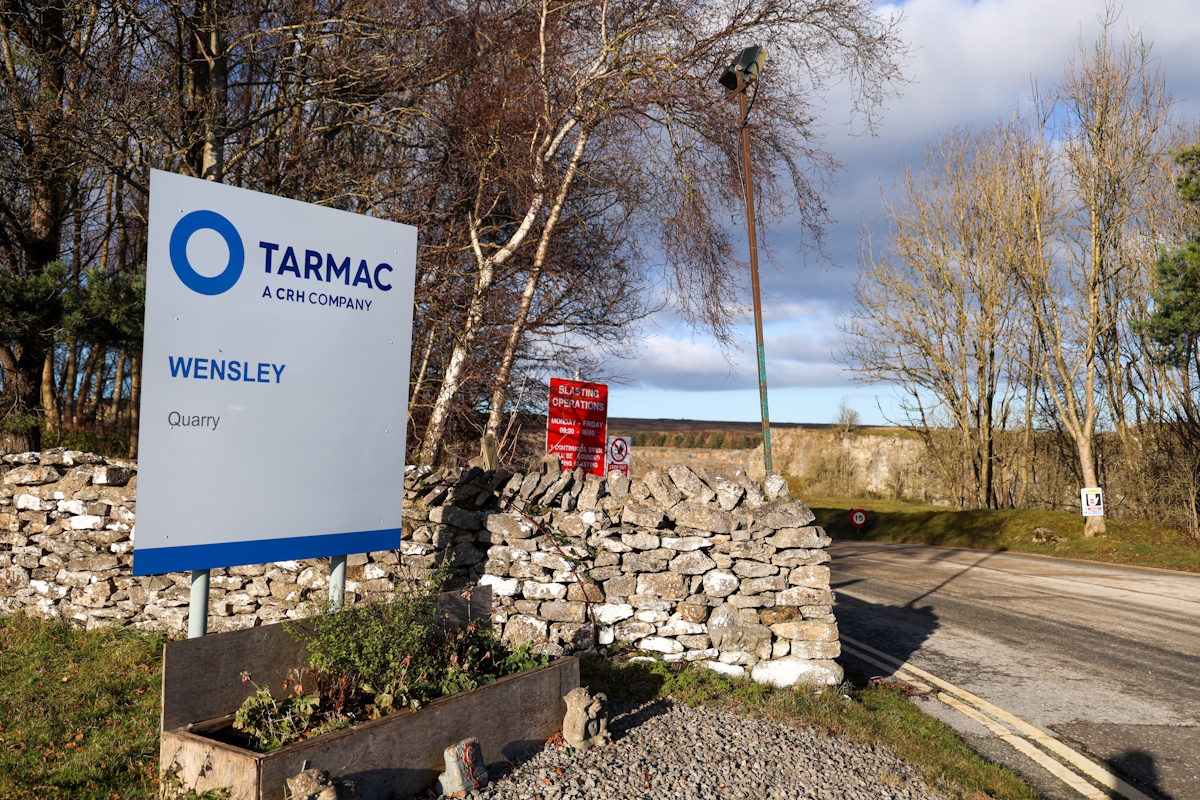
Wensley Quarry lies to the north of Preston-under-Scar in North Yorkshire. The quarry has a designated access onto Scarth Nick Road which separates the current operational area and phase 6.
The quarry is surrounded by farmland, woodland and rising ground. This landform, along with existing vegetation and bunds, helps to screen the working areas from nearby villages.
Supplying the region
Wensley Quarry is a regionally important source of limestone. The stone produced here is used in:
The quarry currently accounts for around 20–30% of North Yorkshire’s total limestone production. It is explicitly recognised as part of the county’s existing crushed rock supply in the North Yorkshire, City of York and North York Moors Minerals and Waste Joint Plan.
Maintaining a reliable supply of locally sourced stone reduces the need to transport materials long distances, supporting regional projects and spending in the local economy.
Wensley Quarry is operated by a dedicated site team who manage operations with care for the land and the community. The quarry team includes:
How we extract the stone
The extraction process at Wensley Quarry is:
Preparing the land
- Topsoil and subsoil are carefully stripped and stored in mounds (bunds) within the quarry.
- These soils are later reused in restoration, helping new vegetation to establish.
Drilling and blasting
- In most parts of the quarry, limestone is drilled and then blasted in carefully designed, controlled blasts.
- Blasting is carried out by specialists and closely monitored to ensure vibration remains within strict limits.
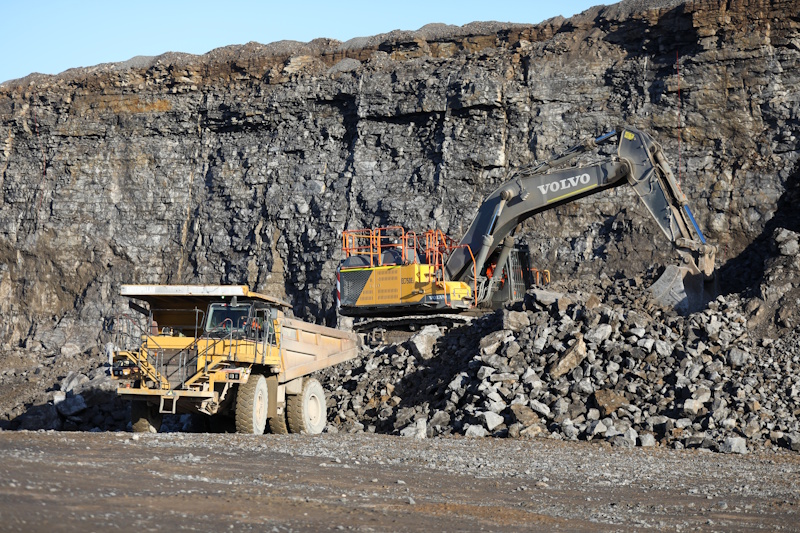
Loading and hauling
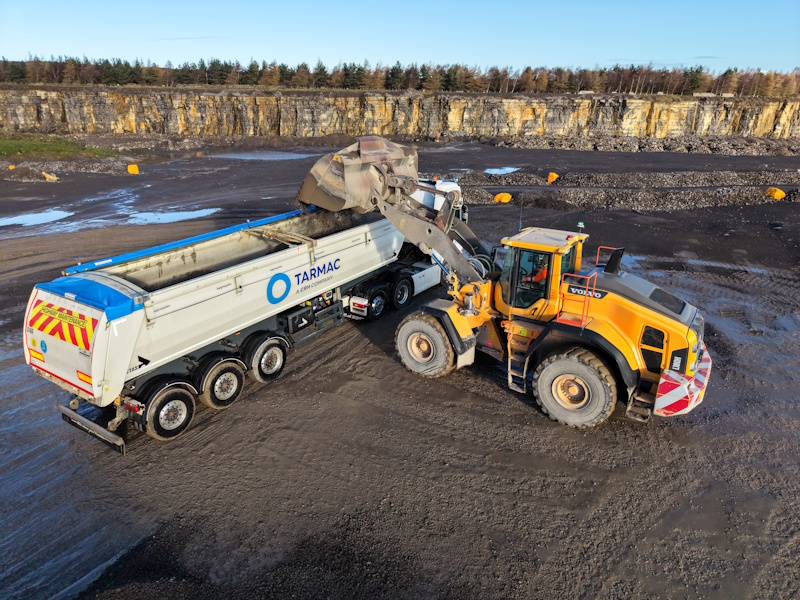
- Blasted rock is loaded into dump trucks and transported along internal haul roads to the processing plant.
- A small amount of shallower mineral in the quarry floor has been left due to quality concerns and to reduce the height of the face. This may be worked in the future by mechanical means rather than blasting.
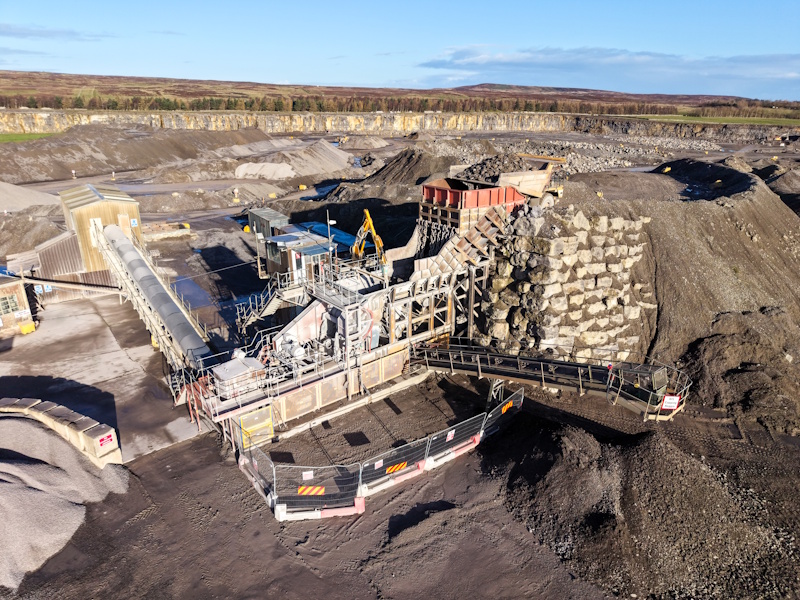
Crushing and screening
- At the processing plant, rock is crushed and screened into different sizes for various uses.
- Dust control systems, including water sprays and enclosures, help to minimise emissions.
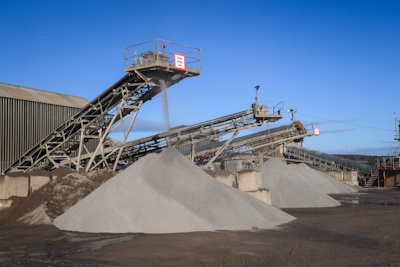
Stockpiling and dispatch
- Processed materials are stored in stockpiles before being loaded into lorries.
- Vehicles are sheeted before leaving site, and wheel-cleaning and road-sweeping regimes are in place to keep local roads clear.
Progressive restoration
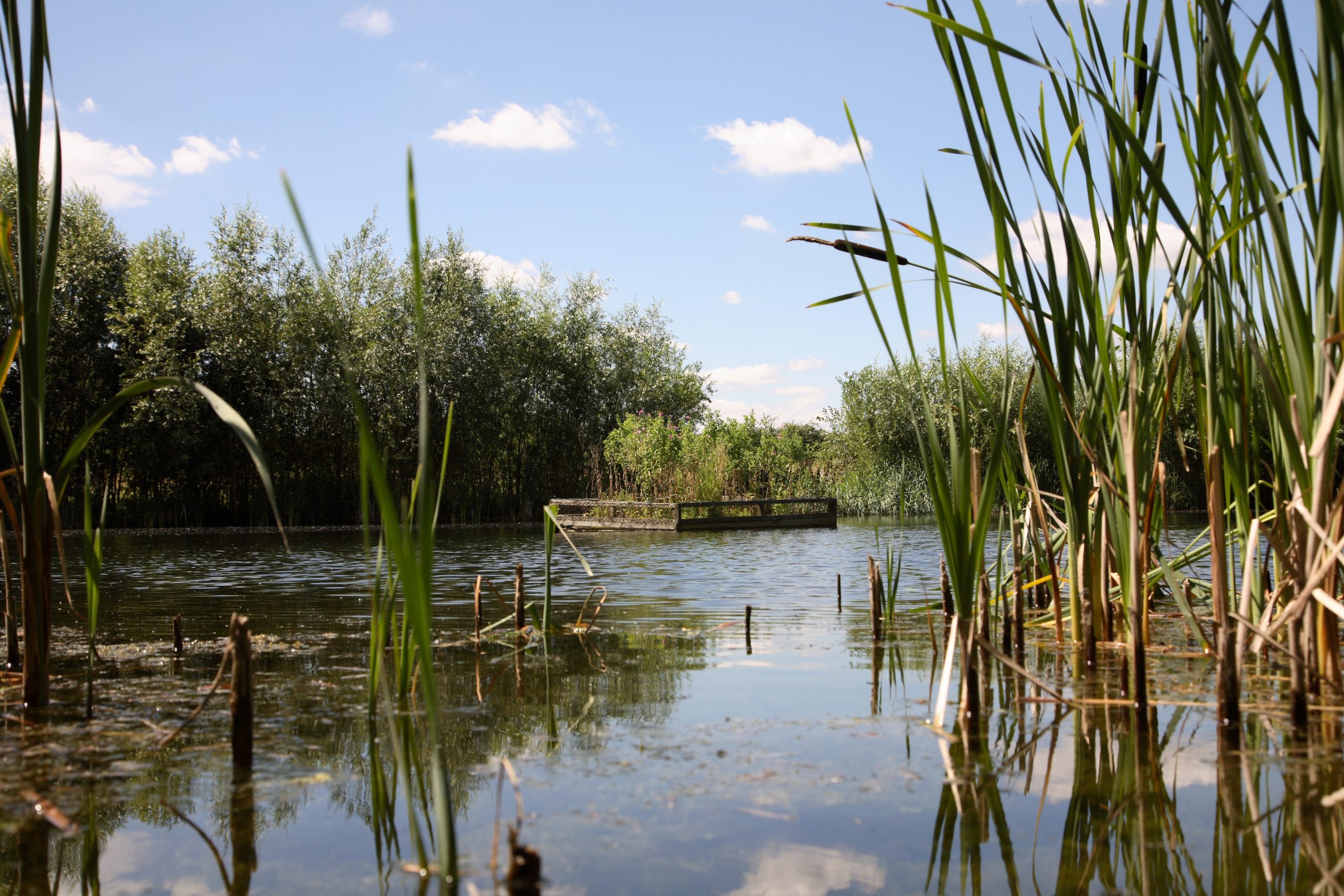
- As each area is worked out, soils are replaced and the land is restored, rather than waiting until the end of the quarry’s life.
- This creates new grassland, planting and other habitats throughout the life of the site.
About Tarmac
Tarmac has over 150 years of experience and heritage to its name, and comprises a national network of local businesses, combining the knowledge and expertise of CRH and Tarmac, two of the construction industry’s most iconic brands.
We are a major UK employer, with around 7,000 people across a network of more than 350 sites. As a large landowner across the country with 110,000 acres., Tarmac is committed to managing the balance between industry, the natural environment, and local communities.